
Youth cancer guidance
Pediatric and adolescent cancer guidance for families facing uncertainty.
When a child, teen, adolescent, or young adult is facing cancer, families often need fast clarity, trusted guidance, and help understanding what questions may matter next.
Cancer Teamwork Response (CTR) helps families navigate pediatric and adolescent cancer questions, prepare for specialist conversations, understand when another medical perspective may be useful, and connect with trusted cancer expertise and resources when appropriate.
Youth cancer guidance
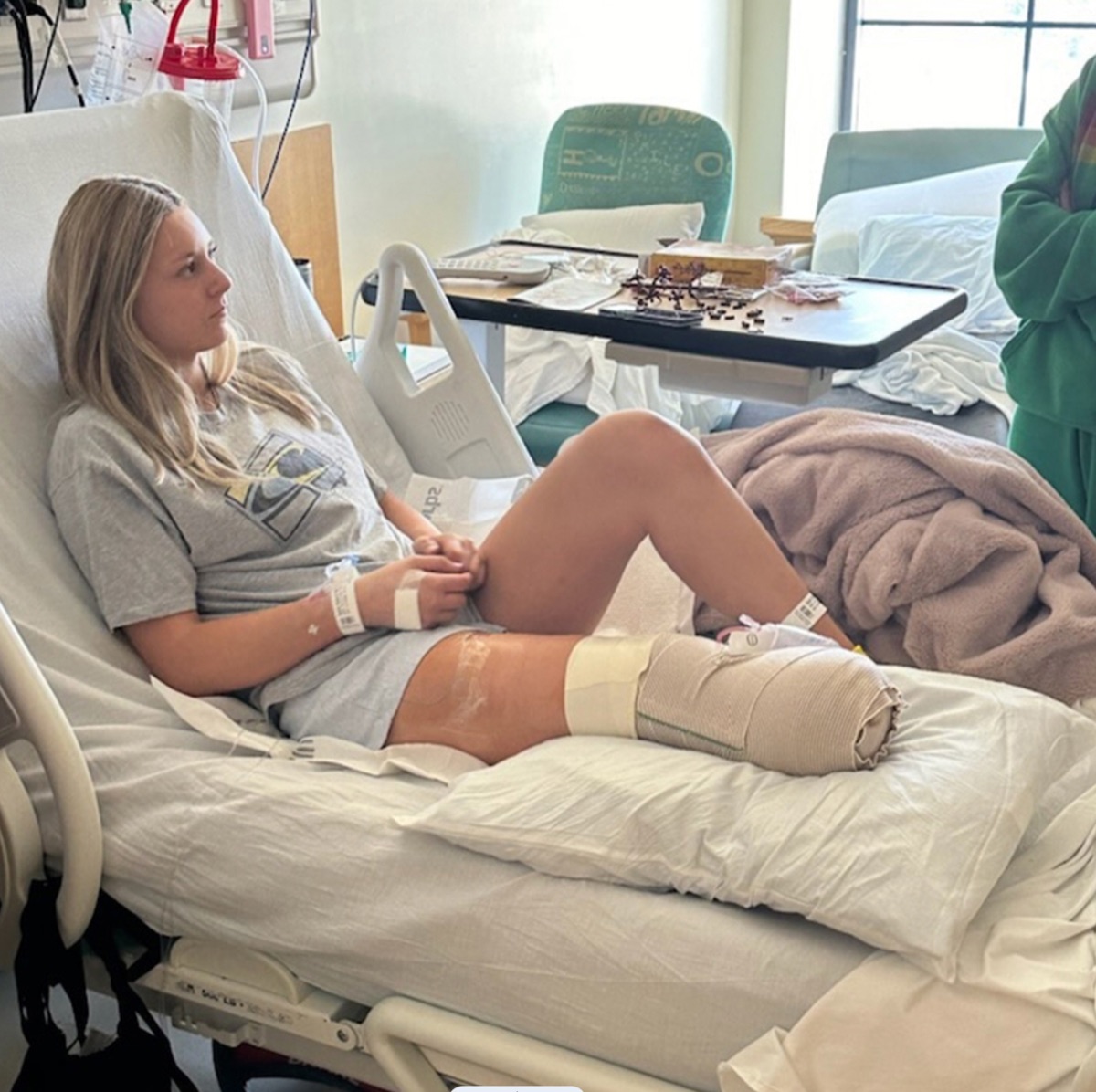
Haven's Story
100 days average to diagnose. 40 with CTR.
Family. CTR. UCLA. Hoag. Teen Cancer America.
After more than 12 months of misdiagnosed pain, CTR worked with UCLA, Hoag Hospital, and Teen Cancer America to move Haven from uncertainty to coordinated diagnosis and treatment planning in less than 40 days.
A collaboration model for future CTR chapters
Read Haven's story on CTR NetworkHow CTR helps
How CTR helps with pediatric and adolescent cancer guidance
What to expect
A human response, with no cost to you.
CTR offers free, human-led guidance for patients and families across the United States. You do not need to know the right medical terms or have every record ready before reaching out.
Meet the people behind CTR- 01
Tell us what feels unclear.
Start with a short request or call or text us. Please leave detailed medical information out of the initial message.
- 02
CTR follows up personally.
A member of the team will listen, clarify what kind of guidance may help, and gather further information directly when needed.
- 03
Prepare for the next conversation.
CTR can help organize questions, records, priorities, or appropriate connections so you can speak with licensed healthcare providers more confidently.
Understand what may come next.
Pediatric, adolescent, and young adult cancer can involve specialized care teams, complex testing, urgent decisions, and questions that may not feel easy to answer.
CTR helps families organize the next practical steps so they can prepare for conversations with oncologists, pediatric cancer specialists, hospitals, and care teams.
Prepare for specialist conversations.
Families may need help understanding which records, imaging, pathology, test results, or treatment questions should be gathered before a consultation or second opinion.
CTR helps families prepare stronger questions and understand when specialty expertise or another medical perspective may be useful.
Connect with trusted resources when appropriate.
Some youth cancer situations may involve local care teams, pediatric cancer centers, research hospitals, nonprofit partners, family support, or practical resources outside the clinic.
CTR does not provide medical diagnosis or treatment. Our role is to help families navigate the process, connect with appropriate expertise, and prepare for more informed conversations with licensed healthcare providers.
When youth cancer guidance may help
CTR may be a helpful starting point when:
- A child, teen, adolescent, or young adult has received a cancer diagnosis.
- The diagnosis, treatment plan, or next step feels unclear.
- The cancer is rare, complex, or requires specialized expertise.
- Your family is considering a second opinion or pediatric cancer specialist consultation.
- You need help organizing medical records, imaging, questions, or care priorities.
- You are trying to understand what support or resources may be available for the family.
You do not have to know which specialist, hospital, or resource to contact before reaching out.
Start with CTR
Youth cancer guidance starts with one conversation.
If your family is navigating pediatric, adolescent, or young adult cancer questions, tell us briefly what is happening and why you are reaching out.
Please do not include sensitive personal or detailed medical information in the initial request. CTR will follow up directly and gather additional information when needed.
Patient guides
More cancer patient guidance
These pages help patients and families find CTR when they are searching for guidance, second-opinion help, or pediatric and adolescent cancer navigation.